
股票投资是当下很多投资者追逐的目标之一,而对于股票的投资者来说,最重要的就是评估股票未来的收益。股票未来收益的现值是指投资者在未来所能获得的股票收益的现值。这一概念对于投资者来说至关重要,因为它不仅能帮助他们评估股票的潜在价值,还能帮助他们做出更明智的投资决策。
一、
股票未来收益的现值是指投资者在未来所能获得的股票收益的现行价值。投资者购买股票的目的是为了获得未来的回报,而这些回报通常会随着时间的推移而发生变化。为了更准确地评估股票的价值,投资者需要将未来的收益折现到现在的价值。这一过程使用现值计算方法,将未来的现金流回到现在的价值,以便进行比较和分析。
二、
股票未来收益的现值的计算需要考虑多个因素。投资者需要确定预期的未来收益。这可以通过分析公司的财务状况、行业趋势、市场前景等信息来确定。投资者还需要确定折现率。折现率是一个反映投资风险和时间价值的参数,通常由投资者个人的需求和市场情况来决定。投资者需要确定预期的投资期限。不同的投资期限会影响到未来收益的现值计算结果。
三、
股票未来收益的现值可以帮助投资者做出更明智的投资决策。通过计算未来收益的现值,投资者可以比较不同股票的潜在价值,选取最具吸引力的投资标的。投资者还可以根据现值计算结果来制定合理的买入和卖出策略,以最大化投资回报。股票未来收益的现值对于投资者来说是一个重要的工具和指标。
四、
在评估股票未来收益的现值时,投资者还需要注意一些限制和不确定性因素。股票市场的波动性使得未来收益的估计具有一定的不确定性。计算现值的方法也可能存在一定的假设和模型的限制。投资者个人的风险承受能力和投资目标也会对未来收益的现值评估产生影响。
股票未来收益的现值是投资者在未来所能获得的股票收益的现行价值。通过对未来收益的折现计算,投资者可以评估股票的潜在价值,并做出更明智的投资决策。投资者需要注意市场的不确定性和个人的风险承受能力,以确保更准确地评估股票未来收益的现值。
股票未来收益的现值是指
股票未来收益的现值是指,根据预期未来现金流的折现值,计算得出的当前价值。这一概念在股票投资领域被广泛运用,它帮助投资者评估并决策是否购买或持有某只股票。通过对未来收益进行现值计算,投资者可以更加准确地衡量股票的价值,从而做出更明智的投资决策。
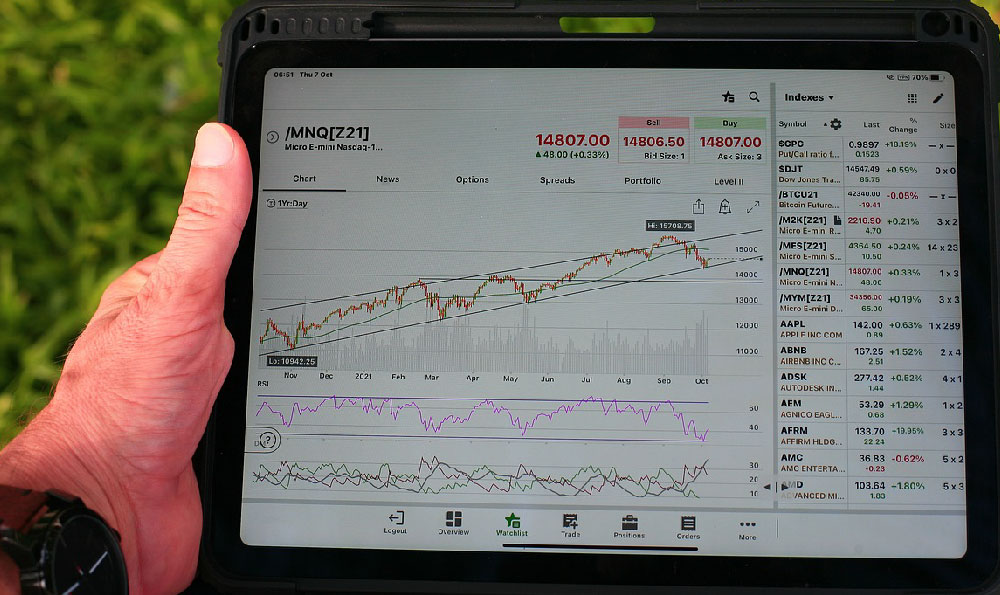
股票未来收益的现值概念基于财务学中的折现率原理。折现率可以看作是时间价值的衡量,它反映了投资者对未来现金流的偏好。投资者倾向于更短期获得现金流,因为这样可以降低风险并提前收回投资。未来收益的现值计算需要将预期的现金流按折现率进行调整,使其与当前的投资时间点相匹配。
股票未来收益的现值计算需要考虑多个因素。预期的未来现金流量。这包括公司的盈利能力、业务发展前景以及行业竞争力等。投资者需要对公司的基本面进行详细分析,以获得准确的财务预测。折现率的确定。折现率受市场利率、风险溢价和个人投资偏好等因素的影响。不同的投资者可能会有不同的折现率选择,这取决于他们对风险和回报的接受程度。股票未来收益的现值计算还需要考虑股票的持有期限。投资者可以根据自己的投资目标和战略,选择合适的持有期限,并相应调整折现率。
股票未来收益的现值计算在投资决策中扮演着重要的角色。基于现值计算,投资者可以比较不同股票的价值,并选择具有更好投资回报的股票。现值计算也有一定局限性,它无法考虑市场情绪、黑天鹅事件等未来不确定因素。投资者还需要综合考虑其他因素,如行业前景、管理层品质和市场竞争等。
股票未来收益的现值是指根据预期未来现金流的折现值计算得出的当前价值。投资者可以通过现值计算来衡量股票的价值,并作出更明智的投资决策。现值计算只是投资决策的辅助工具,投资者还需要综合考虑其他因素来做出最终决策。通过深入了解现值计算的原理和方法,投资者可以更好地把握投资机会,获得更好的投资回报。
股票未来收益的现值是股票的什么
Introduction:

In the world of stock investing, the calculation of future returns is a crucial factor for investors to evaluate the potential profitability of a stock. By estimating the present value of future cash flows, investors can determine whether a stock is worth investing in or not. This article aims to explore the concept of present value in relation to future stock returns, providing readers with a comprehensive understanding of how this calculation influences investment decisions.
The Concept of Present Value:
Present value is a financial concept that quantifies the worth of future cash flows in today's terms. In the context of stock investing, it refers to the current value of the future returns that an investor expects to receive from holding a particular stock. By discounting these future cash flows at an appropriate rate, the present value can be determined, enabling investors to assess the attractiveness of an investment opportunity.
Comparisons and Contrasts:
To better understand the significance of present value in evaluating future stock returns, let us compare two hypothetical scenarios. In Scenario A, the estimated future cash flows are relatively stable and predictable, with minimal risk involved. In this case, the present value of future returns would likely be higher, indicating a potentially favorable investment. In contrast, Scenario B involves high market volatility and uncertainty. As a result, the present value of future returns would be lower, reflecting the increased risk associated with the investment.
Rhetorical and Evaluative Techniques:
Considering the importance of present value in analyzing future stock returns, investors should employ a cautious and thoughtful approach. It is crucial to recognize that estimating future cash flows requires careful consideration of various factors, including market conditions, industry trends, and company-specific details. By utilizing thorough research and insightful analysis, investors can make informed judgments on the present value of the expected returns, thereby increasing the likelihood of successful investments.
Professional Terminology and Industry Vocabulary:
To enhance the authenticity and credibility of this discussion, it is essential to incorporate relevant professional terminology and industry-specific language. Concepts such as discount rate, risk premium, expected growth rate, and intrinsic value should be utilized to clearly illustrate the calculations and decision-making processes involved in determining the present value of future stock returns.
Descriptive Adjectives and Adverbs:
When describing the present value of future stock returns, using descriptive adjectives and adverbs can significantly enhance the article's persuasive power. Terms like substantial, significant, promising, steady, and volatile can effectively convey the potential profitability or risk associated with particular stocks. Moreover, these descriptive words help engage readers' attention and convey the author's expertise and authority in the subject matter.
Conclusion:
In conclusion, the present value of future stock returns plays a pivotal role in investment decision-making. By analyzing and calculating the current worth of expected future cash flows, investors can assess the attractiveness and potential profitability of a stock. This article has provided an introductory overview of present value, emphasizing its significance in evaluating future stock returns. By understanding and utilizing this concept, investors can navigate the complex world of stock investing with more confidence and success.