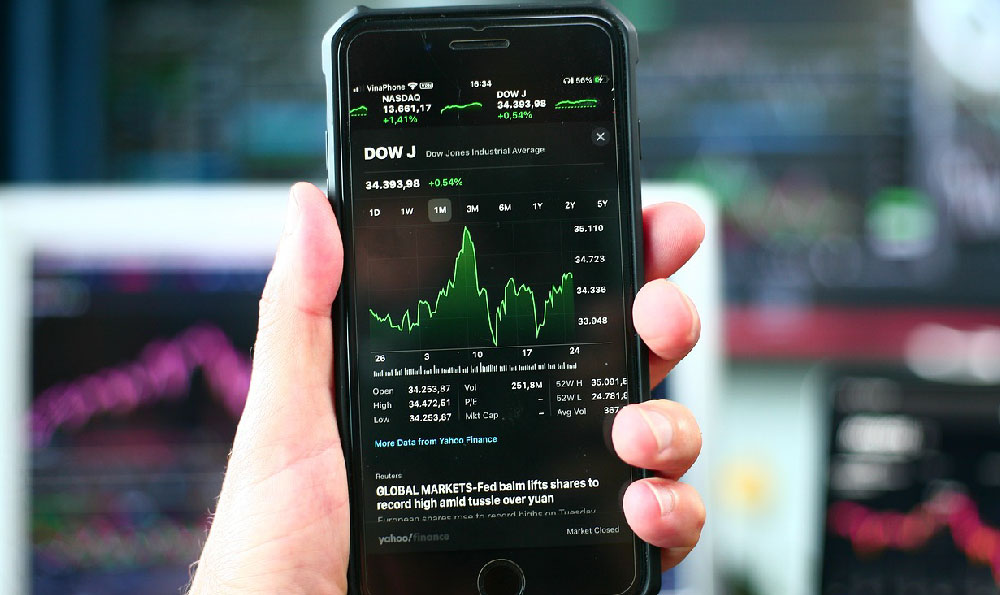
Stock volatility, also known as stock price volatility, measures the degree of variation in the price of a particular stock over a specific period. It is a crucial metric for investors and traders as it provides insights into the potential risks and rewards associated with a stock. In this article, we will explore how to calculate stock volatility and its significance in the financial industry.
1. The Calculation of Stock Volatility
Stock volatility is commonly calculated using statistical measures such as standard deviation or variance. These formulas analyze the historical price data of a stock to measure the dispersion of its returns. The higher the volatility, the wider the price swings, indicating a higher level of risk associated with the stock. On the other hand, lower volatility implies more stable and predictable price movements.
To calculate stock volatility, one needs a historical price dataset covering a specific period. Here's a simplified example of how to calculate the annualized stock volatility using standard deviation:
1. Calculate the periodic returns: Subtract the closing price of each trading day from the closing price of the previous trading day and divide it by the previous closing price. This will give a series of periodic returns.
2. Calculate the average return: Sum up all the periodic returns and divide it by the number of periods.
3. Calculate the deviation from the average return for each period: Subtract the average return from each periodic return.
4. Square the deviations and sum them up.
5. Divide the sum by the number of periods.
6. Take the square root of the result to get the standard deviation.
7. Annualize the standard deviation: Multiply the standard deviation by the square root of the number of periods in a year.
This calculation provides a numerical measure of stock volatility, enabling investors to assess the risk associated with a particular stock and make informed investment decisions.
2. Significance of Stock Volatility in the Financial Industry
Stock volatility is a significant factor for investors, traders, and financial institutions. Here are a few reasons why stock volatility is crucial in the financial industry:
Risk Management: Volatility helps investors and traders understand the potential risks associated with a stock. By assessing the historical volatility, investors can determine the likelihood of significant price movements and adjust their investment strategies accordingly.
Investment Decisions: Volatile stocks provide opportunities for both risk-averse and risk-seeking investors. Risk-averse investors may prefer stocks with lower volatility, offering more stability and predictable returns. In contrast, risk-seeking investors may seek highly volatile stocks, aiming for higher potential returns.
Portfolio Diversification: Stock volatility plays a crucial role in portfolio diversification. By including stocks with different levels of volatility, investors can reduce the overall risk of their portfolios. Stocks with low or negative correlation can help balance the portfolio and provide potential hedging opportunities.
Trading Strategies: Traders often use stock volatility to design trading strategies. Volatility-based trading strategies aim to profit from price movements caused by high volatility. By tracking and analyzing stock volatility, traders can identify potential trading opportunities and manage their risk exposures effectively.
3. Conclusion
Stock volatility is an essential concept in the financial industry, providing insights into the risk and reward potential of a stock. By accurately calculating stock volatility, investors and traders can make informed investment decisions, manage risk effectively, and design appropriate trading strategies. Understanding stock volatility is crucial for anyone involved in the stock market, and its significance cannot be overlooked in the pursuit of financial success.
By adopting a systematic approach, investors and traders can utilize stock volatility as a tool to navigate the dynamic and ever-changing stock market landscape.
股票波动率指标
引言

股票市场的波动一直是投资者关注的焦点。波动率指标是一种常用的衡量股票市场波动程度的工具。本文将介绍波动率指标的种类和计算方法,并分析其在投资决策中的重要性。
一、历史波动率
历史波动率是一种以过去股票价格波动为基础的指标。它通过计算股票价格的标准差来反映股票市场波动的程度。历史波动率越高,代表股票价格的波动越大,市场风险也就相应增加。
历史波动率可通过以下公式计算:历史波动率 = 标准差 × √(250)。标准差表示股票价格的波动程度,250代表一年中的交易天数。
历史波动率的优势在于它基于历史数据,具有客观性和可靠性。它无法预测未来市场的波动,只能提供过去的波动情况作为参考。
二、隐含波动率
隐含波动率是指根据期权的市场价格反推出股票未来的波动水平。期权价格的波动受到市场对未来股票价格波动的预期影响。隐含波动率可以被视为市场对未来波动的预测。
隐含波动率常用于期权定价模型中,如布莱克-斯科尔斯期权定价模型。它可以帮助投资者评估期权的价值,并做出相应的决策。如果隐含波动率较高,意味着市场对未来股票价格波动的预期较大,投资者可以选择买入保护性期权以规避风险。
三、波动率指数
波动率指数是反映整个市场波动程度的指标。最著名的波动率指数是芝加哥期权交易所(CBOE)的VIX指数。VIX指数通过计算标普500指数期权的隐含波动率,反映了投资者对未来市场风险的担忧程度。
VIX指数的计算方法较为复杂,主要是通过对标普500指数期权价值的推导来计算。它是一个衡量市场情绪的重要指标,当VIX指数上升时,表示市场风险增加,投资者情绪悲观,股市可能出现大幅波动。
四、波动率指标在投资决策中的应用
波动率指标在投资决策中具有重要意义。投资者可以根据历史波动率分析股票的风险水平,选择适合自己的投资策略。隐含波动率可以帮助投资者评估期权的价格和价值,并进行相应的交易决策。而波动率指数则能提供市场整体的波动程度,帮助投资者把握市场情绪和风险。
总结
波动率指标是衡量股票市场波动程度的重要工具。历史波动率、隐含波动率和波动率指数是常用的波动率指标。它们具有客观性和可靠性,有助于投资者进行风险评估和波动预测。在投资决策中,合理运用波动率指标可以提升投资者的决策水平和风险控制能力。
股票波动率怎么计算
股票波动率是衡量股票价格变动幅度的一个重要指标,它可以帮助投资者评估股票的风险水平。本文将介绍股票波动率的计算方法,并解释其在投资决策中的作用。

一、股票波动率的概念和意义
股票波动率是指股票价格在一定时间内的波动程度。波动率越高,股票价格的波动范围就越大,风险也相对较高;波动率越低,股票价格相对稳定,风险相对较低。通过计算股票波动率,投资者可以更好地了解股票的风险水平,为投资决策提供参考。
二、股票波动率的计算方法
在实际计算中,常用的股票波动率计算方法有两种:历史波动率和隐含波动率。
1. 历史波动率的计算方法
历史波动率是利用股票历史价格数据来计算的。一般而言,历史波动率可通过以下步骤计算:收集一段时间内(一般是过去一年)股票的每日收盘价数据;计算每日收益率,即当日收盘价与前一日收盘价的相对变化率;计算收益率的标准差,即股票每日收益率的均值与方差之比;将均值与方差乘以根号下的交易日数量(一般为252)得到年化历史波动率。
2. 隐含波动率的计算方法
隐含波动率是根据期权市场的价格来计算的。期权是一种衍生品,其价格受到股票价格波动的影响。通过使用期权定价模型(如布莱克-斯科尔斯模型),可以根据期权价格反推出市场对股票未来波动范围的预期。这个预期波动范围就是隐含波动率。
三、股票波动率在投资决策中的作用
股票波动率在投资决策中发挥着重要的作用。波动率可以帮助投资者评估股票价格的风险水平。波动率较高的股票意味着价格波动幅度大,投资风险较高,投资者可以根据自身风险承受能力做出相应的决策。波动率还可以帮助投资者制定合理的投资策略。对于短期交易者而言,高波动率的股票可能提供更多的交易机会;对于长期投资者而言,低波动率的股票可能更适合稳健投资。波动率还可以用于构建投资组合。投资者可以通过将不同波动率的股票进行组合,达到风险分散和收益优化的目标。
股票波动率是一个重要的投资指标,可以帮助投资者评估股票的风险水平并指导投资决策。投资者可以通过历史波动率和隐含波动率两种方法来计算股票的波动率,并根据波动率来选择合适的投资策略和构建投资组合。