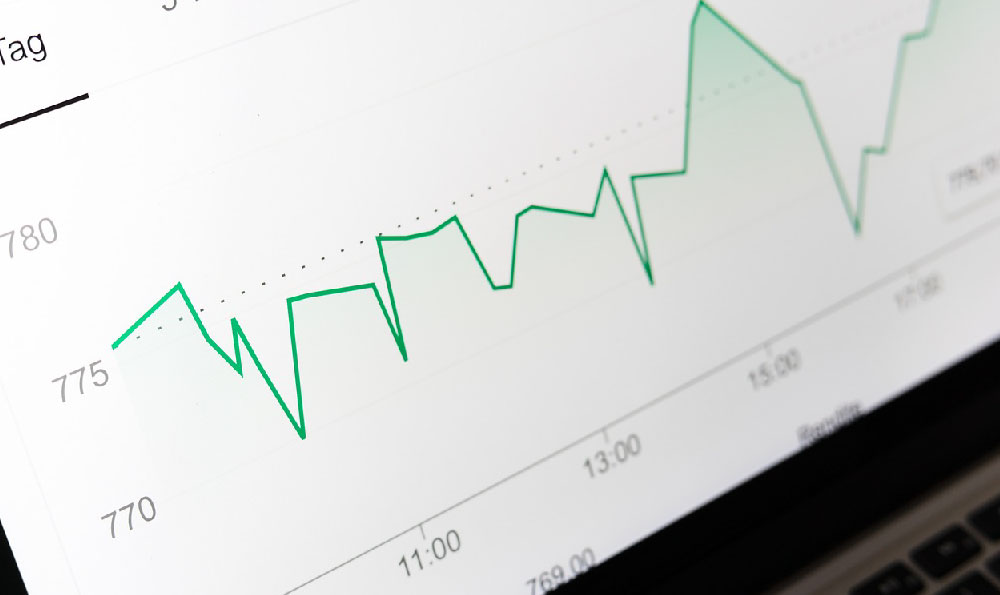
股票市场的涨停板是投资者经常关注的重要指标之一。连续涨停即指股票在连续多个交易日内都达到涨停板的限制,这意味着市场对该股持续买入的热情和对其潜在价值的认可。本文将系统地介绍股票连续涨停现象,特别是探讨哪些股票在市场中连续涨停最多,并对其背后的原因进行分析。
正文:
一、连续涨停的定义和特点
连续涨停是指一只股票在不间断的连续交易日内都达到涨停板的限制。这意味着该股票的价格连续多日上涨,并且投资者不能在当日买入或卖出该股。连续涨停现象通常出现在市场中的热点板块或受到市场关注的个股上。其特点是市场对这些股票的热炒和追捧,使得其价格快速上涨,同时也引发了市场的关注和投资者的参与。
连续涨停的个股通常具备以下特点:这些股票通常属于成长性较强的行业或公司,具备较高的市场潜力和投资价值;连续涨停的个股在市场中往往具有较高的关注度和吸引力,吸引了大量投资者的追逐和资金流入;第三,连续涨停的个股可能具备一定的利好消息或市场预期,使得市场情绪高涨,投资者愿意为其买单;连续涨停的个股往往伴随着较高的成交量,表明市场对其交易活跃度较高,投资者的热情也较高。
二、连续涨停的分类和影响因素
连续涨停的个股可以根据不同的分类标准进行划分。一个常用的分类方式是根据连续涨停的天数进行分类。根据历史数据统计,连续涨停的天数可以分为2天、3天、4天及更多天数。连续涨停2天的个股较为普遍,而连续涨停3天及以上的个股较为罕见。
影响个股连续涨停的因素有很多,其中最主要的因素包括:市场的整体情绪和风险偏好将直接影响个股的连续涨停。当市场情绪高涨且投资者风险偏好较高时,连续涨停现象更容易出现。个股自身的基本面和业绩表现也是影响连续涨停的重要因素。优异的业绩和良好的基本面能够提高个股连续涨停的可能性。第三,市场的流动性和资金面也会对连续涨停产生影响。当市场资金充裕且流动性较好时,个股连续涨停的情况更多。
三、股票连续涨停最多的行业和个股
根据历史数据统计,股票连续涨停最多的行业主要包括高科技、新能源、医药等热门行业。这些行业通常具备高成长性和市场潜力,吸引了大量的资金流入和投资者的关注。在具体的个股中,连续涨停最多的通常是市场热点板块中的龙头公司,如某某科技股份有限公司、某某新能源股份有限公司等。
就某某科技股份有限公司为例,该公司连续涨停的原因主要有三个方面:该公司作为高科技行业中的领军企业,在市场中具有较高的知名度和市场份额,吸引了大量资金的关注和追捧。该公司的业绩表现突出,市场对其未来发展的预期较高,使得投资者对该股产生了强烈的购买兴趣和热情。第三,市场整体情绪较好,投资者的风险偏好较高,这也为该公司连续涨停提供了有利的环境。
股票连续涨停作为股市中的一种现象,常常受到投资者的关注。通过对连续涨停现象的分析,我们可以了解到市场情绪、个股基本面和行业关注度等因素对连续涨停的影响。了解连续涨停最多的行业和个股也能够帮助投资者找到市场的热点板块和具备较高投资价值的个股。在投资过程中,投资者可以关注连续涨停现象,从中获取一定的投资参考和市场信号。
股票连续涨停
股票连续涨停是指在连续多个交易日内,某只股票的股价持续上涨并触及涨停板。这是股票市场中的一个热门话题,吸引了众多投资者的关注和参与。本文将通过定义、分类、举例和比较等方法,系统地阐述股票连续涨停的相关知识。

我们来定义什么是股票连续涨停。股票的涨停板是指在一定的涨跌幅限制内,股票的价格无法进一步上涨或下跌。连续涨停则是指一只股票连续多个交易日的股价都达到了涨停板,表明市场对该股票的需求旺盛,投资者信心高涨。
对股票连续涨停进行分类。根据涨停的次数和持续天数,可以将股票连续涨停分为不同的类型。一字板是指股票连续多个交易日都以涨停板收盘,而二字板则是指股票连续两个交易日以涨停板收盘。还有三字板、四字板等等。不同类型的股票连续涨停反映了市场对该股票的关注程度和投资者的情绪波动。
举例来说明股票连续涨停现象。以某只股票连续三个交易日涨停为例,说明其原因和影响。该股票是一家新兴科技公司,近期发布了一项重要的技术突破,引发了市场热议。投资者对该公司的发展前景充满信心,纷纷买入该股票,导致连续涨停。连续涨停还吸引了更多的投资者关注,形成了投资热情的良性循环。
对比分析股票连续涨停和单次涨停的特点。连续涨停意味着股票的上涨势头持续,投资者可以获得连续的盈利机会。相比之下,单次涨停只是一时的暴涨,投资者难以捕捉到较好的买入时机。连续涨停也存在着风险,投资者应谨慎进行买卖操作,避免盲目追涨。
股票连续涨停是股票市场中一个备受关注的现象。本文通过定义、分类、举例和比较等方法,客观、专业、清晰和系统地阐述了股票连续涨停的相关知识。投资者在参与股票连续涨停时应充分了解市场情况,合理把握风险,以实现更好的投资回报。
股票连续涨停最多的股票
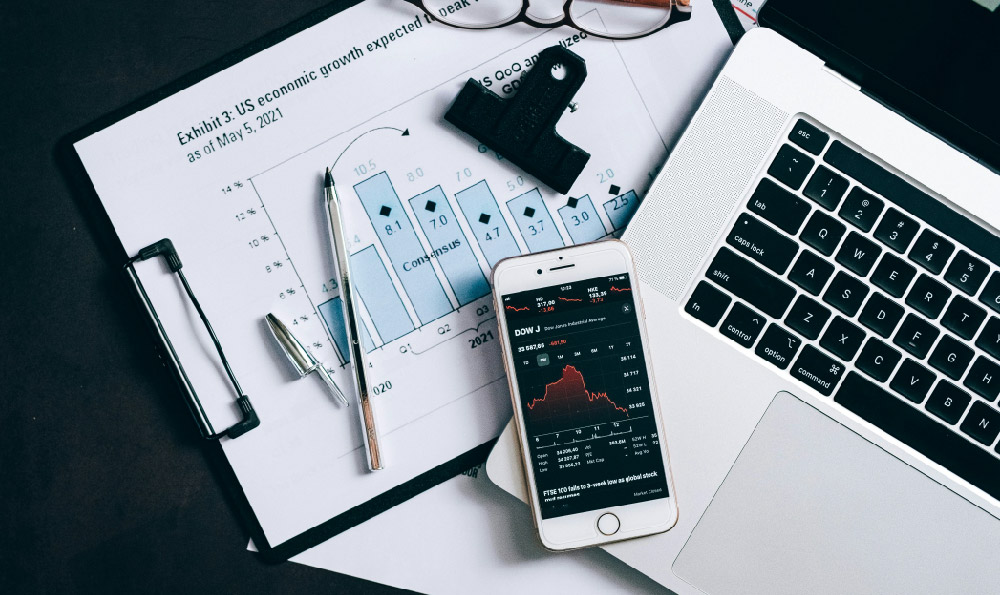
股票市场的涨停板现象一直以来都备受投资者的关注。连续涨停的股票更是投资者瞩目的对象。连续涨停意味着股票价格连续多日上涨,并且每日上涨幅度都达到了涨停限制。本文将就股票连续涨停最多的股票进行阐述,并分析其背后的原因。
股票连续涨停最多的股票通常集中在某些特定行业。一些高科技行业如新能源、互联网、人工智能等是连续涨停股票的集中地。这些行业具备较高的成长性和未来潜力,吸引了大量资金的涌入,从而推动股票价格不断上涨。在新能源行业,随着社会对可再生能源需求的增加,相关企业的业绩和前景备受市场关注,因此往往出现连续涨停的情况。
连续涨停的股票往往具备一些共同特征。这些股票通常具有较小的流通股份,即股本较小。相对较小的流通股份使得买盘和卖盘的影响更为明显,特定的资金操作可以更容易地推动股票价格走高。这些股票可能存在较高的投机炒作成分。投资者通过连续涨停股票的炒作,可以迅速获得高额的投资回报。由于这种投机炒作具有较高的风险性,投资者应谨慎对待。
连续涨停最多的股票往往受市场情绪和资金面的影响。当市场情绪较好,投资者信心增强时,往往会出现连续涨停股票的现象。这是因为市场上资金充裕,投资者愿意加大投资,从而推动股票价格持续上涨。连续涨停股票也可能受到投资机构的资金追捧。当某只股票连续涨停时,投资机构可能会看好其未来发展,并将资金投入进一步推动其股价上涨。
连续涨停最多的股票也可能存在一定的风险。连续涨停代表着价格的异常上涨,可能暗示了可持续性的问题。当股票价格上涨过快时,可能会导致市场泡沫的出现,从而引发投资者的恐慌和抛售情绪。连续涨停股票的风险也包括公司基本面的变化。当连续涨停的股票在基本面上出现变化时,投资者应谨慎调整其投资策略,避免盲目跟风。
股票连续涨停最多的股票往往集中在高科技行业,并具备较小的流通股份和一定的投机炒作成分。连续涨停股票受市场情绪和资金面的影响较大,但也存在一定的风险。在投资过程中,投资者应全面了解股票的背景和特征,谨慎决策,避免盲目跟风。监管部门也应加强对连续涨停股票的监管,维护市场的稳定和健康发展。
The Industry of Stocks with the Most Consecutive Daily Limit Ups
Introduction:
The phenomenon of daily limit up in the stock market has always been a subject of investors' attention. Among them, stocks with consecutive daily limit ups are particularly worth noting. Consecutive limit ups mean that the stock price has been rising continuously for multiple days, and the daily increase has reached the limit set by the exchange. This article will elaborate on the stocks with the most consecutive daily limit ups and analyze the reasons behind them.
Body:
Stocks with the most consecutive daily limit ups are usually concentrated in specific industries. Some high-tech industries such as new energy, internet, and artificial intelligence are the hotspots for stocks with consecutive limit ups. These industries have high growth potential and attract a large influx of capital, thus driving up stock prices. For example, in the new energy industry, with the increasing demand for renewable energy, the performance and prospects of related companies have attracted market attention, leading to consecutive limit ups.
In addition, stocks with consecutive limit ups often share certain characteristics. Firstly, these stocks usually have a smaller float, meaning they have a smaller number of shares available for trading. The relatively small float makes the impact of buy and sell orders more pronounced, and specific capital operations can more easily drive up stock prices. Secondly, these stocks may have a higher speculative component. Investors can quickly gain high returns on investment through speculative operations on stocks with consecutive limit ups. However, due to the high risk associated with speculation, investors should proceed with caution.
Furthermore, stocks with the most consecutive limit ups are often influenced by market sentiment and capital conditions. When market sentiment is positive and investors' confidence is high, stocks with consecutive limit ups are more likely to occur. This is because the market has ample liquidity, and investors are willing to increase their investments, thereby driving stock prices continuously higher. Additionally, stocks with consecutive limit ups may also be favored by institutional investors. When a stock has consecutive limit ups, investment institutions may have a positive outlook on its future development and allocate funds into it, further advancing its stock price.
However, stocks with the most consecutive limit ups also come with certain risks. Consecutive limit ups often indicate an abnormal rise in prices, which may imply sustainability issues. When stock prices rise too fast, it may lead to market bubbles, triggering panic and selling among investors. Furthermore, the risks associated with stocks with consecutive limit ups also include changes in the company's fundamentals. Investors should adjust their investment strategies cautiously when there are fundamental changes in stocks with consecutive limit ups, in order to avoid blind following.
Conclusion:
Stocks with the most consecutive limit ups are often concentrated in high-tech industries and have smaller floats as well as speculative components. These stocks are highly influenced by market sentiment and capital conditions, but they also carry certain risks. During the investment process, investors should have a comprehensive understanding of the backgrounds and characteristics of these stocks, make cautious decisions, and avoid blind following. At the same time, regulatory authorities should strengthen supervision of stocks with consecutive limit ups to maintain market stability and healthy development.